Sartorius or the 2002 Craters: Choosing a Private Etna Walk
Compare landscape interests, volcanic context and product-specific booking details.
Table of Contents
Update, 7 October 2026: the 2002 Craters excursion has been withdrawn from the catalogue. This article retains the landscape comparison; see the current private excursions for booking. Current private excursions
Should you choose Sartorius or the 2002 craters?
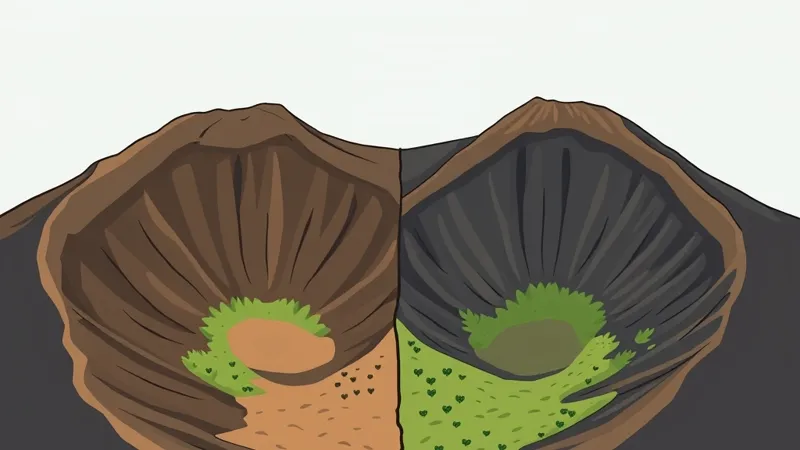
Choose Sartorius if your main interest is the combination of birch woods, older lava terrain and side craters. The withdrawn 2002 walk focused on lava fields and the eruption areas of 1923 and 2002. These landscape differences come from Etna Explore’s descriptions of the private Sartorius walk and the private 2002 craters walk.
Use that contrast to make a shortlist, then check the selected excursion’s participation requirements and booking details. Neither route name establishes summit access or suitability for every visitor.
How do the two crater landscapes compare?
Sartorius: birch woods and the 1865 side craters
The Sartorius product description combines a circular walk through birch forest with old lava terrain and the 1865 side-crater system. It highlights crater edges and open viewpoints as well as woodland. That mix suits an interest in the relationship between vegetation and volcanic terrain: your attention moves between trees, lava and crater forms.
The 2002 route: lava fields and eruption areas
The other product description centres on Etna’s north-side lava fields and the areas associated with the 1923 and 2002 eruptions. It describes volcanic terrain and a guide’s explanations of eruption history, crater formation and environmental recovery. Consider it when your main interest is reading the traces of eruptions in the landscape.
This is a comparison of the published excursion descriptions, not a guarantee of the route on your date. Confirm the itinerary and participation requirements on the selected page before booking.
What volcanic context helps explain these walks?
Mount Etna is an active stratovolcano, as identified by UNESCO’s Mount Etna listing. That classification provides geological context, not a statement about conditions on either walking route.
For the formation history of individual crater groups, use INGV’s Etna material rather than interpreting a product title as a geological explanation. Specific eruption histories need corresponding scientific documentation. Historical activity and UNESCO recognition do not establish whether an excursion can operate.
Which questions help you choose the right landscape experience?
For woodland alongside crater scenery, start with Sartorius. For a focus on eruption areas and lava fields, start with the 2002 route. Use the following questions to refine that initial preference.
- Crater shapes: does the itinerary identify the crater features you want to examine?
- Volcanic deposits: does it describe particular materials or formations?
- Vegetation: does the description explain the plant-covered landscape you would encounter?
- Landscape change: does the walk explicitly connect visible features with eruption history?
A stronger match to your interests does not automatically mean an easier walk. Private booking also does not establish unrestricted route flexibility or suitability for every participant.
What should you check on the selected booking page?
Check the practical details for the product you intend to book, rather than transferring conditions from the other excursion.
- Where is the meeting point, and what arrival arrangements are specified?
- Which guide languages can be selected?
- What clothing and equipment should participants bring, and what is supplied?
- How are terrain and participation requirements described?
- What does the listed price include, and what is its booking basis?
- Which terms should you review before confirming?
How should conditions inform your booking decision?
Keep landscape preferences separate from operational information that can change before a visit. Follow the selected operator’s instructions and applicable official notices.
INGV’s official monitoring information supplies scientific context; it is not a booking confirmation or permission to enter a route. Do not treat an older excursion description or an available-looking calendar as an access guarantee.
What else should you know before choosing?
Are these the same private walk?
No. Before withdrawal, Etna Explore listed Sartorius and the 2002 craters as distinct private walking products.
Does either product name guarantee summit access?
No. Summit access cannot be inferred from either name.
Where should I check prices and participation requirements?
Use the selected excursion’s booking page for product-specific details.
Does private mean suitable for everyone?
No. Check the stated terrain and participation requirements before booking.
Where can you compare and book the walks?
Compare the dedicated pages, then use the direct booking calendar for the experience that matches your interests and requirements.
Which sources support this comparison?
Scientific sources support volcanic context; product pages are the commercial references for excursion descriptions and booking details.
- UNESCO: Mount Etna — volcano classification and heritage context.
- INGV — authoritative reference for geological research and monitoring.
- Etna Explore: Sartorius walk — primary commercial source.
Before You Book: Quick Planning Checklist
- Check updated weather and volcanic activity conditions for your travel dates.
- Confirm meeting point, start time, and transfer duration.
- Compare routes, practical details and availability, then use the booking calendar on your chosen tour page.
- Read local safety guidance before excursions.