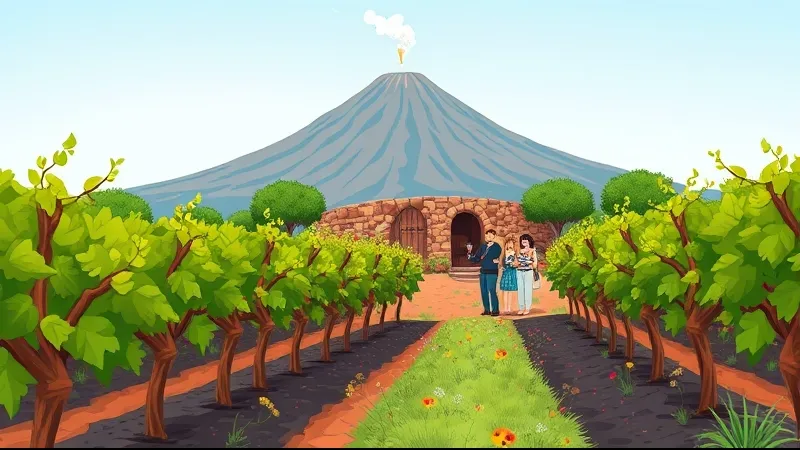
Etna Wine Tour in Spring: Visiting Volcanic Vineyards
Discover Sicily's most distinctive wines grown on lava-rich soils between ancient vines and active craters
What makes an Etna wine tour in spring unique?
An Etna wine tour in spring offers something no other wine destination in Italy can match: the chance to walk among ancient vines rooted in volcanic soil while Europe's largest active volcano rises above you. Mount Etna's wine region holds the DOC Etna designation since 1968 — one of Italy's oldest protected appellations and the first in Sicily. Here, indigenous grapes grow on lava-rich soils at altitudes between 400m and 1,100m, producing wines with a mineral intensity found nowhere else in the Mediterranean.
Spring — from April through June — is the ideal window to visit. Vines are budding and pushing new growth, daytime temperatures hover between 15°C and 22°C, and the wineries welcome visitors without the crowds that descend in July and August. The landscape is at its most dramatic: snow still caps the summit craters while wildflowers blanket the lower slopes. This is when you experience the full contrast of Etna — fire and ice, black lava and green vines.
The Parco dell'Etna, which protects much of the volcano's territory, encompasses a UNESCO World Heritage landscape where viticulture and volcanic geology have coexisted for millennia.
Which grape varieties grow on Mount Etna's volcanic slopes?
Etna's wine identity rests on a handful of indigenous varieties that have adapted to volcanic conditions over centuries. These are not international grapes planted for commercial appeal — they are deeply local cultivars that express the mountain's character in every glass.
- Nerello Mascalese — The dominant red grape, accounting for roughly 80% of red plantings on Etna. It produces elegant, medium-bodied wines often compared to Pinot Noir or Nebbiolo for their transparency, fine tannins, and ability to reflect terroir differences from one vineyard to the next.
- Nerello Cappuccio — A blending partner for Nerello Mascalese, adding color, body, and softer fruit character. It rarely appears as a single-varietal wine but plays an essential supporting role in Etna Rosso blends.
- Carricante — The flagship white grape, reaching its finest expression on the east-facing slopes near Milo. Carricante produces Etna Bianco wines with vibrant acidity, citrus and saline notes, and remarkable aging potential.
The contrade identify areas of Etna's wine territory. The Etna DOC production specification lists them and regulates geographical mentions. A name on a label helps identify origin; it does not by itself guarantee a single-vineyard wine.
Where are the best volcanic vineyards to visit on Mount Etna?
Etna's vineyards are distributed across the volcano's flanks, and each slope orientation — or versante — delivers a different wine personality. Understanding the geography helps you choose where to focus your spring wine tour.
North side: Randazzo, Castiglione di Sicilia, Solicchiata
The northern slopes host Etna's most celebrated vineyards and the highest-altitude plantings, reaching up to 1,100m. Volcanic soils here are ancient and deeply layered, with lava flows from different centuries creating a complex geological patchwork. Wines from the north tend to show the greatest structure, aromatic complexity, and aging potential. This is where many of the most sought-after contrade are located.
East side: Milo
The eastern slope, particularly around the village of Milo (600–900m altitude), is the heartland of Carricante and Etna Bianco Superiore. The east faces the Ionian Sea, receiving morning sun and maritime influences that give the white wines their characteristic freshness and saline edge. In spring, these slopes are lush and green, offering some of the most scenic vineyard walks on the mountain.
South-west side: Biancavilla, Adrano
The south-western flanks sit at lower altitudes with warmer, drier conditions. Wines here tend to be rounder and more immediately approachable. This area is less visited by tourists, which can be an advantage for those seeking a quieter, more personal tasting experience.
For a comprehensive route through the wine zones, the Strada del Vino dell'Etna offers itineraries that connect the major viticultural areas.
How is Etna wine shaped by volcanic terroir?
The word terroir is used loosely in the wine world, but on Etna it carries literal geological weight. The soils beneath the vines are the direct product of volcanic eruptions — some ancient, some from flows as recent as the 1800s. This makes Etna's viticultural soils remarkably young by geological standards, and their mineral composition is unlike any other wine region.
According to geological research from INGV Osservatorio Etneo and the University of Catania, Etna's volcanic soils are rich in potassium, iron, and magnesium — minerals that influence vine metabolism and grape chemistry. The soils are also highly drained and porous: rainwater filters quickly through layers of volcanic sand and pumice, forcing vine roots deep into the substrate to find moisture. This natural stress concentrates flavors in the grapes.
Etna has vineyards with ungrafted vines growing on their own roots. This does not mean that the whole area escaped phylloxera. Vine age, training system and history should be documented for the specific vineyard: ask the winery which plots you are seeing during a visit.
Altitude is another defining factor. Vineyards span from 400m to over 1,000m, creating significant diurnal temperature variation — up to 15°C difference between day and night. Cool nights slow grape ripening, preserving acidity and allowing complex aromatic compounds to develop gradually. This is why Etna wines — both red and white — consistently show a freshness and vibrancy that sets them apart from warmer Sicilian zones at sea level.
What does a typical Etna wine tour include?
A standard Etna wine tour follows a well-established format, though each producer adds its own character to the experience.
- Guided vineyard walk — You walk among the vines, often century-old alberello plants, while learning about cultivation methods, soil types, and the specific contrada. In spring, you see the vines at the start of their annual cycle: buds breaking, first leaves unfurling, and the volcanic landscape at its greenest.
- Cantina visit — A tour of the wine cellar, including fermentation tanks and aging rooms. Many Etna producers use large Slavonian oak barrels (botti) or concrete, reflecting a winemaking philosophy that prioritizes terroir expression over oak influence.
- Wine tasting — Typically 3 to 6 wines, progressing through Etna Bianco (Carricante-based), Etna Rosato, Etna Rosso (Nerello Mascalese), and sometimes a Riserva with several years of aging.
- Food pairing — Many tours include local products: pistacchio di Bronte DOP, cured meats, aged cheeses from the Nebrodi mountains, and local olive oil. Some offer a full lunch with seasonal Sicilian dishes.
Price ranges for Etna wine experiences:
- Standard guided tasting: €25–€60 per person
- Premium experience with food pairing and lunch: €80–€150 per person
Spring adds a unique dimension: you witness the vineyard awakening after winter dormancy. The visual contrast between black volcanic soil and bright green new growth makes for memorable visits — and excellent photographs.
For a deeper understanding of the volcanic geology beneath the vines, a local Volcanological Guide like Vincenzo Modica can bridge the gap between wine culture and earth science, explaining how specific eruptions shaped the very ground the grapes grow in.
Can you combine an Etna wine tour with a volcano hike?
An excursion and a winery visit require separate bookings and independent transport. Compare the actual calendar, meeting point, duration and winery opening time before planning both. Do not assume a morning tasting is compatible with a summit departure, and allow for delays.
The combination works naturally because wine and volcano share the same story. The lava that flowed down the mountain created the soils that nourish the vines. Walking the upper slopes gives you a visceral understanding of the geological forces at work, and tasting the wine afterwards connects that raw landscape to something you can savor.
A qualified guide explains volcanic landforms and adapts the walk to conditions and restrictions; this does not guarantee safety. Winery visits are a separate activity and are not included in Etna Explore’s three excursions.
For a separate private walk on the volcano, compare our three guided Etna excursions. Book any winery visit directly with the producer and arrange the journey between the two activities independently.
When is the best time in spring for an Etna wine tour?
Each spring month offers a slightly different experience on Etna's wine slopes:
- April — Early budding begins in the vineyards. Almond blossoms may still be visible on the lower slopes. Temperatures are cooler, especially at higher altitudes. Fewer visitors, more personal attention at wineries.
- May — Vines are in full vegetative growth. Wildflowers carpet the volcanic meadows. Temperatures are ideal for outdoor vineyard walks — warm but not hot. This is widely considered the sweet spot for a spring wine visit.
- June — The pre-harvest calm. Longest days of the year provide extended daylight for touring. Warmer temperatures, but altitude keeps vineyard areas comfortable. Canopy management is underway in the vineyards.
An important note: altitude affects timing. Vineyards at 500m may be two to three weeks ahead of those at 900m in terms of vine development. If you visit in April, lower-altitude sites will show more advanced growth, while high-altitude north-side vineyards may still be in early dormancy-breaking stages.
For those interested in the harvest itself — the vendemmia — that typically falls between September and October, with higher vineyards harvesting last.
How much does an Etna wine tour cost?
Etna wine tours span a wide range of price points, making them accessible whether you are on a budget or seeking a premium experience.
- Self-guided visits: Free to €15 — Some producers allow walk-in visits to their tasting rooms, particularly during quieter spring months.
- Standard guided tasting: €25–€60 per person — Includes vineyard walk, cellar tour, and tasting of 3–5 wines.
- Premium experience with food pairing: €80–€150 per person — Extended tasting with local food pairings or a seated lunch among the vines.
- Full-day private tour with transport and guide: €150–€300 per person — A curated itinerary visiting multiple zones, with an expert guide and door-to-door logistics.
Prices remain stable year-round, but spring offers noticeably better availability — especially at smaller, family-run estates that can feel overwhelmed during peak summer months. Booking in advance is always recommended.
Our current catalogue covers three private volcanic excursions; wine tastings and combined wine tours are not offered. For a winery visit, book directly with the winery and arrange your travel independently. You can plan a separate guided walk from our current tour catalogue. Current private excursions.
What is the history of winemaking on Mount Etna?
Viticulture on Etna is not a recent trend — it is one of the oldest continuous winemaking traditions in the Western Mediterranean. Greek colonists brought organized viticulture to Etna's slopes in the 8th century BC, when they settled the eastern coast of Sicily. The volcanic soils and altitude proved ideal for grape cultivation, and wine production became a cornerstone of the local economy.
Etna's modern wine history has followed a dramatic arc. The region earned its DOC designation in 1968, among the very first in Sicily, recognizing the distinctiveness of its wines. But the decades that followed brought decline: rural depopulation, the lure of higher-yielding flatland vineyards, and a general shift in Sicilian winemaking toward volume over quality led many Etna vineyards to be abandoned.
The turning point came in the early 2000s with what wine writers have called the "Etna Renaissance." International producers, sommeliers, and wine critics rediscovered the mountain's potential. Old vineyards were reclaimed, ancient vines that had been neglected for decades were found still producing grapes of extraordinary quality, and a new generation of winemakers — both local and from abroad — invested in the region.
The Etna DOC Consortium presents its member wineries. Check availability, wines and prices directly with the winery when planning a visit; producer numbers and programmes can change.
FAQ: Frequently asked questions about Etna wine tours
Do I need to book an Etna wine tour in advance?
Yes. Most Etna producers are small operations and require advance reservations, even in spring. Contact wineries directly or book through an organized tour to guarantee your visit.
Is Etna wine expensive?
At retail, most Etna DOC bottles range from €12 to €40. Entry-level Etna Rosso and Bianco are excellent value. Top contrada selections and Riservas can reach higher price points, but the everyday range offers outstanding quality for the money.
Can I buy wine directly from producers?
Yes. Most wineries on Etna offer direct cantina sales, often at prices below retail. This is one of the best reasons to visit in person — access to wines that may not be exported or available in shops.
Are Etna wine tours suitable for non-drinkers?
Yes. The vineyard walks, volcanic landscape, and local food pairings make the experience worthwhile even without tasting wine. Many visitors come for the scenery and gastronomy as much as the wine itself.
What should I wear for a vineyard visit on Etna?
Comfortable closed-toe shoes are essential — vineyard terrain is uneven volcanic ground. Dress in layers, as altitude means temperatures can drop quickly, especially in April and early May.
Is transport included in wine tours?
It varies. Some organized tours include pickup and return transport; independent visits require your own vehicle. Etna's wine zones are spread across the mountain, and public transport between them is limited. Confirm logistics when booking.
Can I visit vineyards if it rains in spring?
Yes. Spring showers are common on Etna, but virtually all producers have indoor tasting rooms and cellars. A rainy day can actually enhance the experience — the volcanic soils and stone-walled cantinas take on a particular atmosphere in wet weather.
Sources
- Consorzio di Tutela dei Vini Etna DOC — Production data, contrade map, DOC regulations
- INGV Osservatorio Etneo — Geological data on Etna's volcanic soils and eruption history
- Parco dell'Etna — Environmental data, altitude zones, protected landscape information
- UNESCO World Heritage — Mount Etna — Landscape recognition and natural heritage documentation
- University of Catania — Department of Agriculture — Terroir studies and viticultural research on Etna's volcanic soils
- Regione Siciliana — Assessorato Agricoltura — DOC regulations and regional wine policy
Before You Book: Quick Planning Checklist
- Check updated weather and volcanic activity conditions for your travel dates.
- Confirm meeting point, start time, and transfer duration.
- Compare routes, practical details and availability, then use the booking calendar on your chosen tour page.
- Read local safety guidance before excursions.